Scientia et Fides #10
Scientia et Fides #10 https://scire.umk.pl/wp-content/uploads/2026/03/prof-Rudak.png 1080 1080 ECLASWe are very pleased to invite you to the next lecture in the Scientia et Fides seminar series…
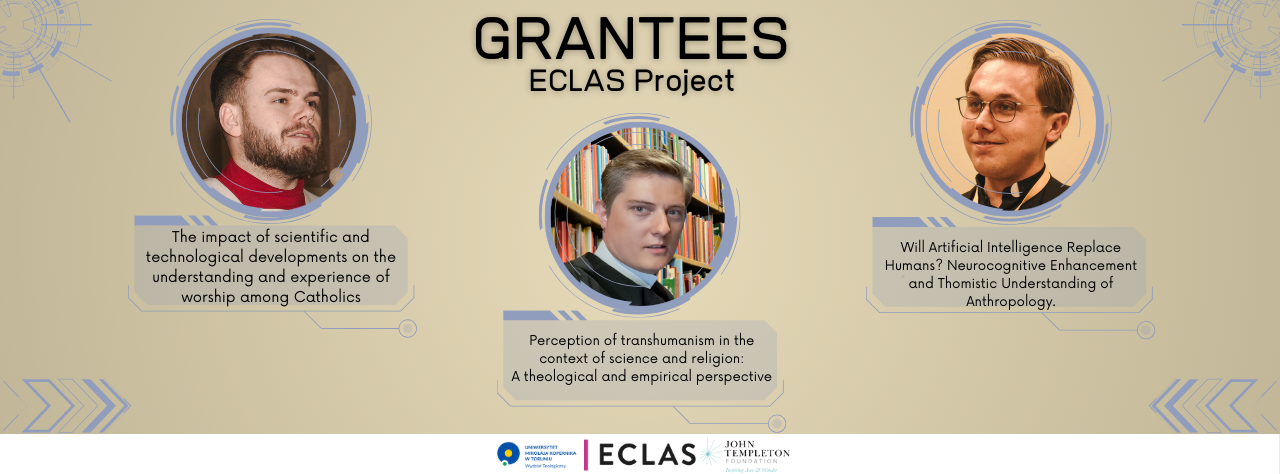

We are very pleased to invite you to the next lecture in the Scientia et Fides seminar series…

you are warmly invited to the international workshop: Philosophy of (Neuro)Science and Theology: Understanding Data, Methods, and Results…
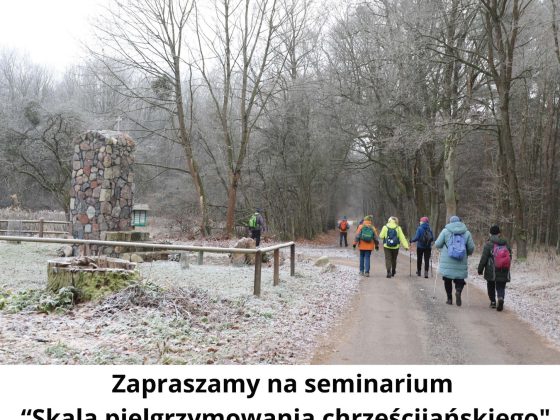
We warmly invite you to a special seminar dedicated to reflecting on the phenomenon of Christian pilgrimage 🚶♂️⛪🌍…

📣✨ National Competition “Science, Religion, Education 2026” ✨📣 The National Competition “Science, Religion, Education 2026” is addressed to…
Science and religion are two different spheres, which are often presented as irreconcilable. However, we are concerned with real change – in education, in parishes, in our approach to science and faith. We want to show that these two worlds are not alien to each other.
Don’t wait for someone else to bring these worlds together. Start taking action now. Your idea could be the one that inspires others.
How do we provide a groundwork for dialogue and cooperation between science and religion? What can we do together to put an end to the series of conflicts over the relationship between science-faith and faith-science?
Have you ever wondered what a seminary education would look like if theological lectures featured the latest developments in science? Or would there be space in your parish for scientific lectures, workshops or exhibitions?
Na stronach internetowych Uniwersytetu Mikołaja Kopernika są stosowane pliki „cookies” zgodnie z Polityką prywatności. Stosowane przez nas ciasteczka służą wyłącznie do poprawienia funkcjonalności strony. Zbierane dane są przetwarzane w sposób zanonimizowany i służą do budowania analiz i statystyk, na podstawie których będziemy mogli dostosować sposób prezentowanych treści do ogólnych potrzeb użytkowników oraz podnosić ich jakość. W tym celu korzystamy z narzędzi Google Analytics i z wtyczek do social media. Poniżej możliwość włączenia/wyłączenia poszczególnych z nich.
włącz/wyłącz